LangGraph 1.4.4, Next.js 16.3, and why your GenAI portfolio needs multi-agent workflows this week
LangGraph and Next.js shipped fixes this week. For freshers building GenAI portfolios, here's what changed and why stateful agent frameworks now separate interview-ready engineers from tutorial-followers.
This week, two frameworks that power production GenAI systems shipped important updates. LangGraph released version 1.4.4 with fixes to graph recursion handling, and Next.js pushed 16.3.0 with security patches and deployment fixes. If you're a fresher building a portfolio, these aren't just release notes—they're market signals about what companies expect you to know.
Why LangGraph updates matter for your portfolio
LangGraph isn't just another Python library. It's a framework that allows developers to build stateful, graph-based AI systems supporting complex reasoning workflows. This week's patch fixed an issue where graph recursion state was being wiped—a bug that would break multi-step agent workflows.
For freshers across India, including Pune: companies hiring for "AI Engineer" roles now expect you to understand agent orchestration. A recent job posting for AI Engineer positions explicitly lists "Build and manage Agentic AI solutions using LangChain, LangGraph, AutoGen, CrewAI" as core requirements.
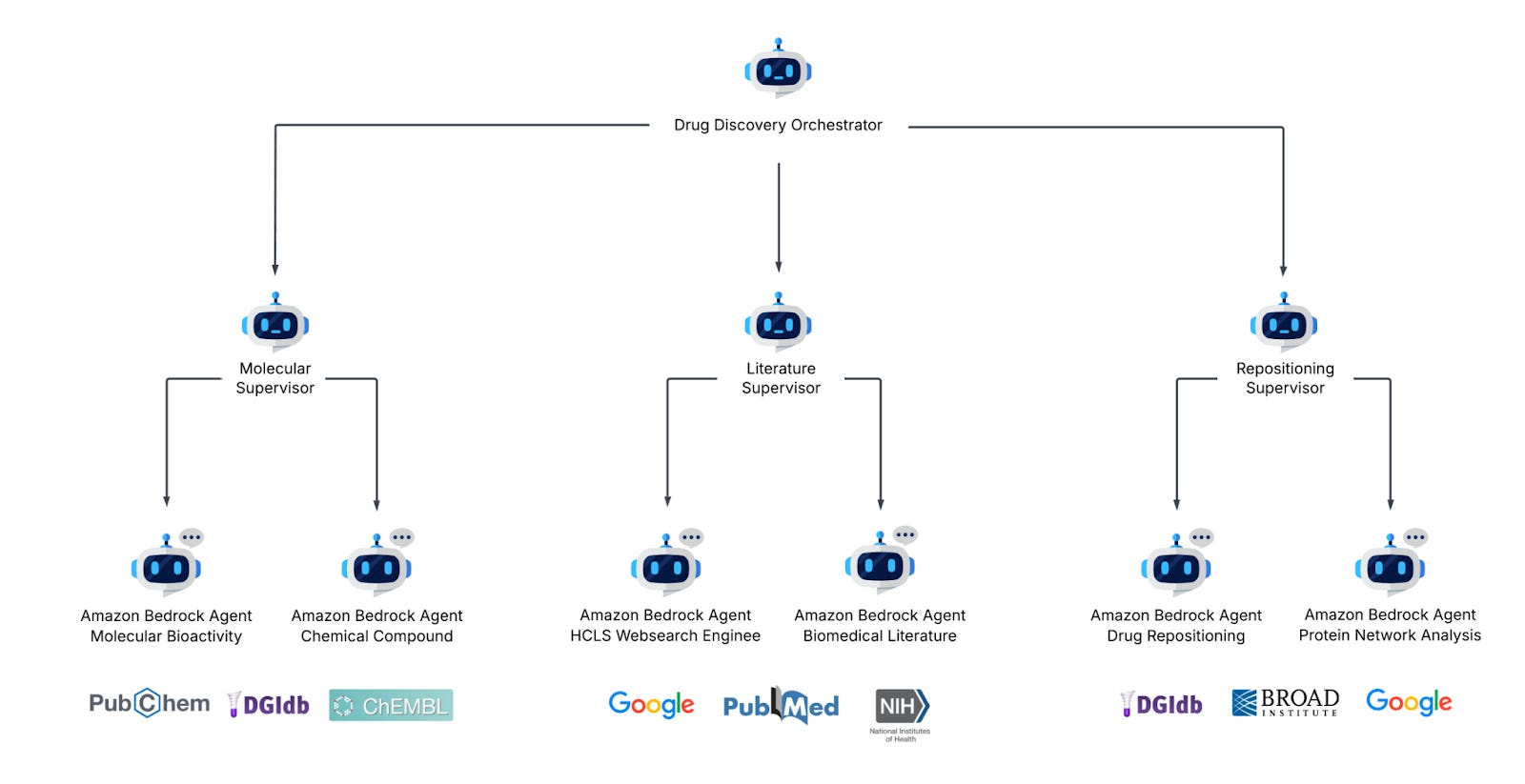
The shift is clear: frameworks like LangGraph allow developers to orchestrate multi-agent workflows, handle task decomposition, and structure agent communication. Your portfolio needs at least one project showing you understand this architecture.
What changed in Next.js 16.3.0 (and why your frontend matters)
Next.js 16.3.0 shipped this week with fixes that matter if you're deploying GenAI apps:
- Security patch for vendored lodash (CVE-2025-13465)
- Fixed invalid HTML responses for route-level RSC requests in deployment adapters
- Normalized encoded dynamic placeholders in app routes
- Restored Content-Length and ETag headers for Pages Router assets
If these sound technical, good. That means you're starting to think like an engineer, not a tutorial-follower. Companies deploying GenAI products care about RSC (React Server Components), deployment stability, and security patches.
The 2026 AI Agent Stack recommended by practitioners now looks like: LLM (Claude), Framework (LangGraph), Backend (FastAPI), Frontend (Next.js), Deploy (Vercel). Notice Next.js is the standard, not a nice-to-have.
The agent orchestration skill gap (your opportunity)
Here's the disconnect freshers need to exploit: LangGraph and CrewAI help developers build apps and agents for intelligent, tool-augmented systems using LLM agent-chaining. But most college projects still show basic RAG chatbots with no state, no multi-step reasoning, no tool integration.
Five frameworks now matter for production work: LangGraph, Google's Agent Development Kit (ADK 2.0), CrewAI, AutoGen, and Semantic Kernel. You don't need to master all five. You need one production-quality project using one of them.
The market is moving toward contract-testing for LLM tool-calling, provider model updates, and production reliability. Your college curriculum won't teach this. Your portfolio must show it.
This week's action checklist for portfolio builders
If you're serious about standing out in the fresher hiring pool, here's what to do with this week's updates:
- Update your Next.js dependencies: Run `npm update next` in any portfolio project using Next.js 15.x or 16.x. The security patch matters if you're linking to your deployed projects in applications.
- Study one LangGraph example: Go to the official LangGraph documentation and walk through their "state persistence" example. Understand why recursion state matters for multi-turn agent workflows.
- Audit your existing GenAI project: Does it show stateful behavior? Can it handle multi-step tasks? Does it integrate external tools? If the answer is no to all three, you have a chatbot demo, not an agent system.
- Add one tool-calling feature: Integrate a real API (weather, search, calculator) into your existing project. Make the agent decide *when* to call it based on user input. Tool-calling and agent orchestration are now baseline expectations.
- Deploy with observability: Use LangSmith (mentioned in this week's LangChain Fireworks release) or a similar tool to add tracing to your agent. Companies want engineers who think about debugging LLM behavior, not just building it.
Why frameworks matter more than models right now
Here's a market truth most freshers miss: your AI agent isn't failing because of the LLM—it's failing because of the engineering around it. The companies hiring freshers across India, including Pune, already have access to Claude, GPT-4, and Gemini. They need engineers who can build *systems* with those models.
That's why LangGraph updates matter. That's why understanding Next.js deployment adapters matters. The interview question isn't "can you call an LLM API?" anymore. It's "can you build a stateful agent workflow that doesn't break when the user's third request depends on context from the first two?"
Portfolio projects that answer that question get interviews. Tutorial clones don't.
This week, do this
Pick one project in your portfolio—your best one, the one you'd lead with in an interview. Open the codebase. Ask honestly: does this show I understand state management, tool orchestration, and production deployment? Or does it show I followed a YouTube tutorial?
If the answer makes you uncomfortable, good. That discomfort is the gap between "completed my degree" and "ready for a GenAI engineering role."
This week's releases—LangGraph 1.4.4 and Next.js 16.3.0—are small version bumps. But they're part of a fast-moving ecosystem where the standard for "job-ready fresher" keeps rising. Your move is to rise with it, one real project at a time.
Ready to build portfolio projects that actually get interviews? Join the waitlist at pritamkamble.com/#apply — mentorship starts when you're serious about closing the gap between graduate and hire-ready engineer.